In Nepal, tea is more than a beverage — it is an expression of hospitality, a moment of connection, and a daily ritual that transcends social boundaries. From the tea estates of Ilam to the butter tea of Mustang, the culture of tea in Nepal is as diverse as its landscape.
Nepali tea, or "chiya," is typically black tea boiled with milk, sugar, and spices — cardamom, ginger, cinnamon, and cloves. This masala chai is the national drink, served in homes, teahouses, and roadside stalls throughout the country.
In the Everest region, the Sherpa people serve butter tea or "po cha" — a salty, buttery drink made from fermented tea leaves, yak butter, and salt. It is an acquired taste but a vital source of energy and hydration at high altitude.
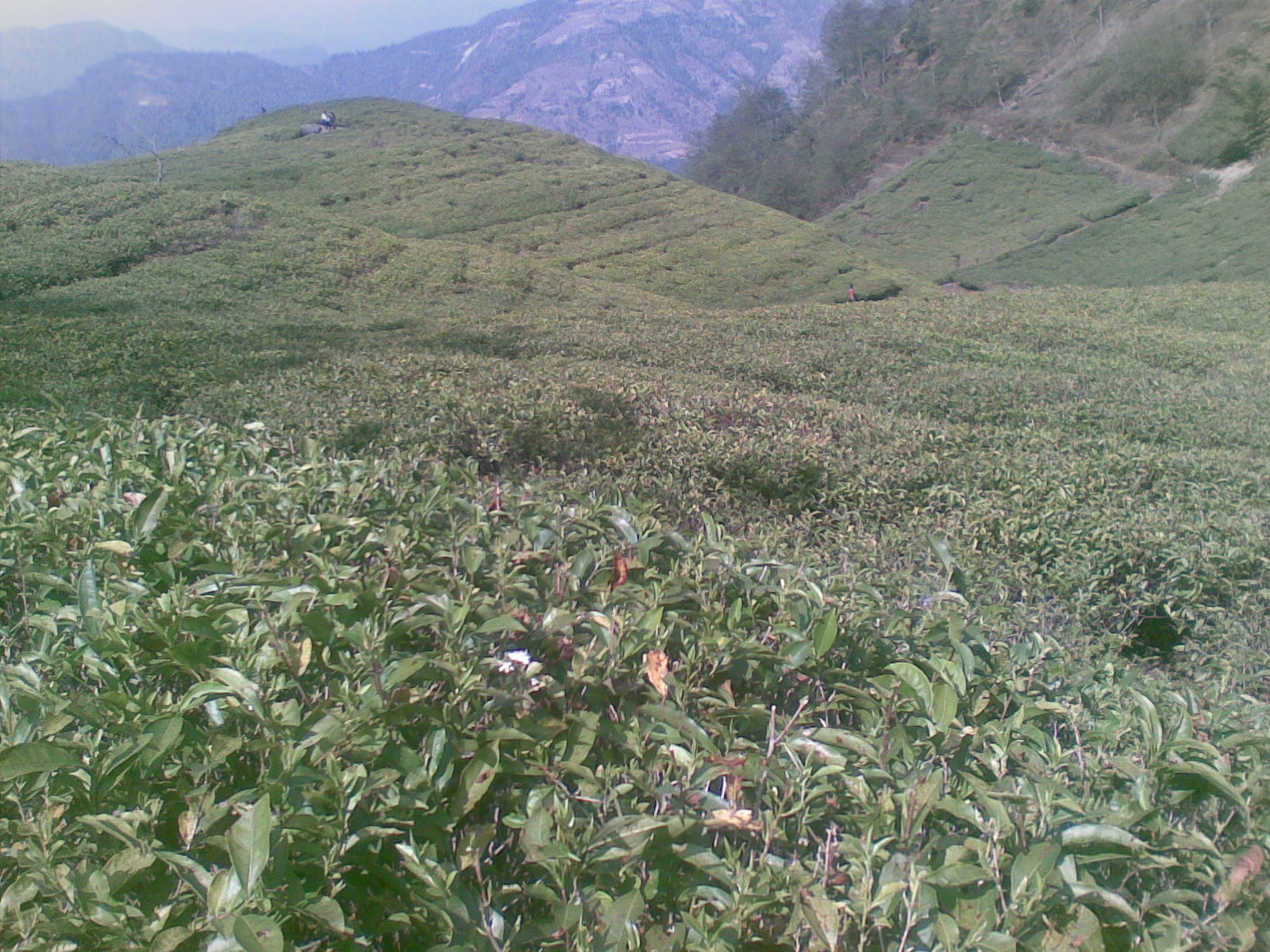
The eastern region of Ilam is Nepal's premier tea-growing area, producing high-quality orthodox teas that rival Darjeeling. The rolling green hills of the tea estates offer some of the most beautiful landscapes in the country.
In the Kathmandu Valley, traditional Newari tea houses serve "chiya" with a distinctive local twist, often accompanied by sweet or savoury snacks. The ritual of sharing tea is central to Newari social life.
For the traveller, joining a tea ritual is one of the simplest yet most profound ways to connect with Nepali culture. Whether it is a morning cup at a mountain teahouse or an afternoon chai with a Kathmandu family, these moments of shared hospitality are the heart of any journey to Nepal.